
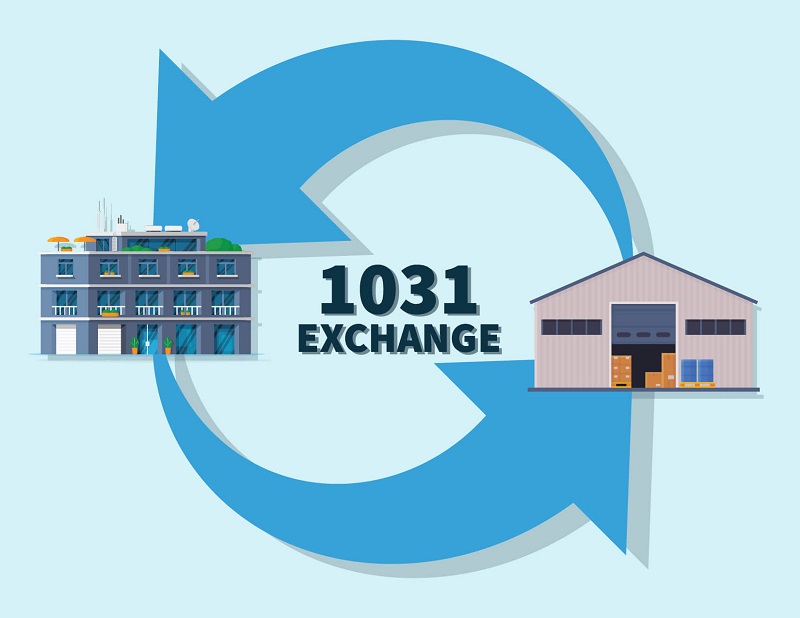
A 1031 exchange can help investors grow their portfolio faster. Many experienced investors use this strategy to reinvest profits and expand holdings. Sand Investment Group often educates clients on how this legal approach works. It is important to understand the rules before starting.
How the Process Works
So, what is a 1031 exchange in real estate and how does it operate in practice. The process starts when an investor sells one investment property. The investor then identifies another property of equal or greater value to purchase. The new property must be similar in nature or use to the one sold. The original sale proceeds need to be held by a qualified intermediary until the purchase is complete. The replacement property must be identified within a set number of days after the sale. The investor then has a fixed number of days to close on the replacement property. The rules are precise and missing a step can void the tax benefit.
The Timeline and Requirements
If the investor wants to use this benefit then strict timelines must be followed. The replacement property must be identified within forty-five days of the sale. The closing must be done within one hundred eighty days. The properties must be like kind. That means they must be similar in nature not in exact type. The investor must use a qualified intermediary to handle funds. The sale proceeds cannot be touched by the investor before the purchase is made.
Why This Creates an Advantage
Therefore the 1031 exchange is a strong tool for building wealth. The investor can keep more capital working. No immediate taxes mean more funds for the next purchase. This helps in acquiring better properties. It can also help in diversifying a portfolio across markets. Over time the investor can scale holdings faster than those who pay taxes on every sale. The compounded growth potential is significant.
Keys to Strategic Use
As with any investment method success comes from planning. The 1031 exchange is not for quick flips or casual deals. It works best for investors with a clear vision. There must be a plan for what to sell and what to buy. Market conditions matter. The ability to move fast once a sale closes is vital. The process may seem complex at first. Yet with proper preparation it becomes a repeatable wealth building strategy that strengthens an investor’s position in real estate markets.
Conclusion
Investors who learn how to use it effectively can maximize returns from each transaction. Over time the benefits can compound into a much larger asset base. Sand Investment Group has seen how powerful this tool can be when applied correctly. With the right guidance any serious investor can use a 1031 exchange to gain a lasting edge in a competitive market. It is a disciplined approach that turns tax savings into growth.