
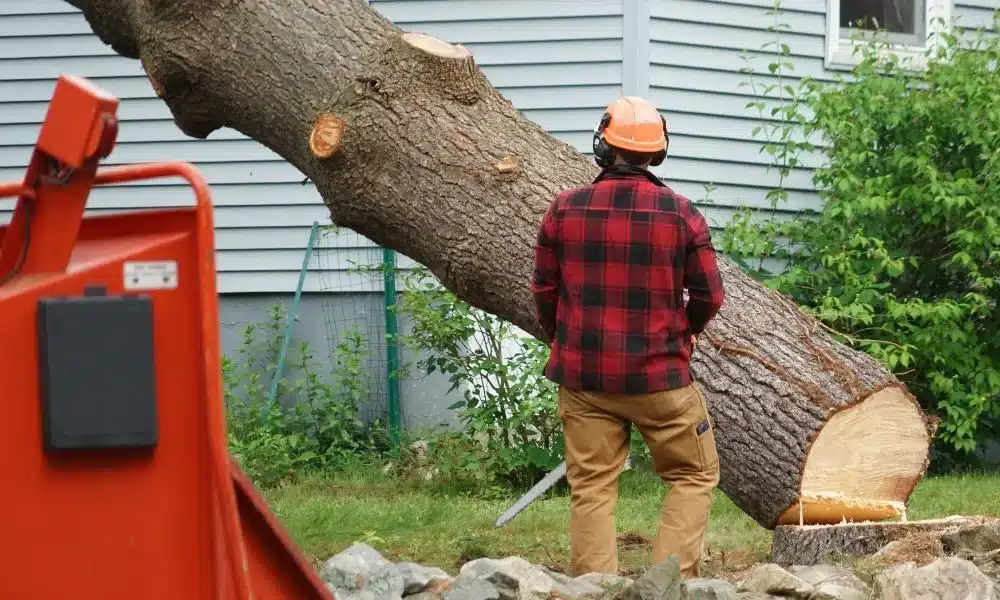
Air circulation through tree canopies is strongly influenced by the openings between branches, which enable the wind to make its way through rather than dense foliage blocking the airflow through the canopy. Pruning creates these openings by removing selected branches throughout the canopy as part of pruning. The purpose of tree pruning for air circulation is to target the interior branches and crossing limbs that add to their density without contributing to their structural integrity or productive growth.
Branch spacing creation
- Pruning reduces the density of branches and allows air to move between remaining branches freely
- A cluster of dense branches traps still air and prevents wind from reaching the canopy’s interior, which accumulates moisture
- The proper spacing between branches allows wind to enter from any direction and flow through the canopy instead of being deflected around solid foliage masses
- Interior branch removal opens central canopy areas that typically stay stagnant in unpruned trees, creating humid pockets favourable to disease
- Maintained spacing through regular pruning prevents gradual density increases as new growth fills gaps over growing seasons
Foliage density reduction
Overlapping foliage layers create barriers to air movement even when branch structures allow adequate spacing between woody portions. Leaves packed tightly together from multiple overlapping branches form nearly impenetrable screens blocking wind penetration. Pruning reduces foliage density by removing entire branches carrying their associated leaf loads rather than just thinning individual leaves. This branch-level reduction opens substantial gaps throughout canopies where air flows freely, reaching interior areas that remained stagnant before pruning. Lower foliage layers benefit particularly from density reduction since upper canopy thinning allows wind to reach downward through the opened areas. Seasonal considerations affect pruning timing for foliage reduction, with dormant season work removing branch structures before leaf emergence, while growing season pruning addresses both branches and active foliage simultaneously.
Disease pressure reduction
- After rain or dew, improved air circulation dries wet foliage faster, reducing germination times for fungi
- Many common tree diseases must establish and spread through canopies with prolonged moisture on leaf surfaces
- During a humid spell in dense, unpruned canopies, powdery mildew, leaf spot, and other fungal pathogens thrive
- Air movement disrupts these favourable conditions by removing moisture and reducing humidity levels that pathogens need to thrive
- Pruning regularly, maintaining good air circulation, reduces disease incidents compared to unpruned trees, requiring reactive treatments
Drying time acceleration
A dense, unpruned tree’s canopy remains wet longer after rain, irrigation, or morning dew than a properly pruned tree’s canopy with good air circulation. Stagnant air zones produce prolonged periods of moist conditions that support the growth of viruses and insects. Pruning improves air circulation, accelerates evaporation rates by constantly moving fresh dry air through canopies, replacing humid air with moisture removed continuously. Faster drying reduces disease infection opportunities and provides a less favourable environment for moisture-dependent insects. Good circulation also helps prevent bark diseases and wood-boring insects from flourishing in persistently damp areas of bark under poorly circulated canopy structures.
Pruning encourages air circulation by reducing the foliage density that blocks airflow, and by accelerating drying times that reduce disease pressure by quicker moisture removal from all canopy surfaces as a result of properly spacing branches that allow wind penetration.