
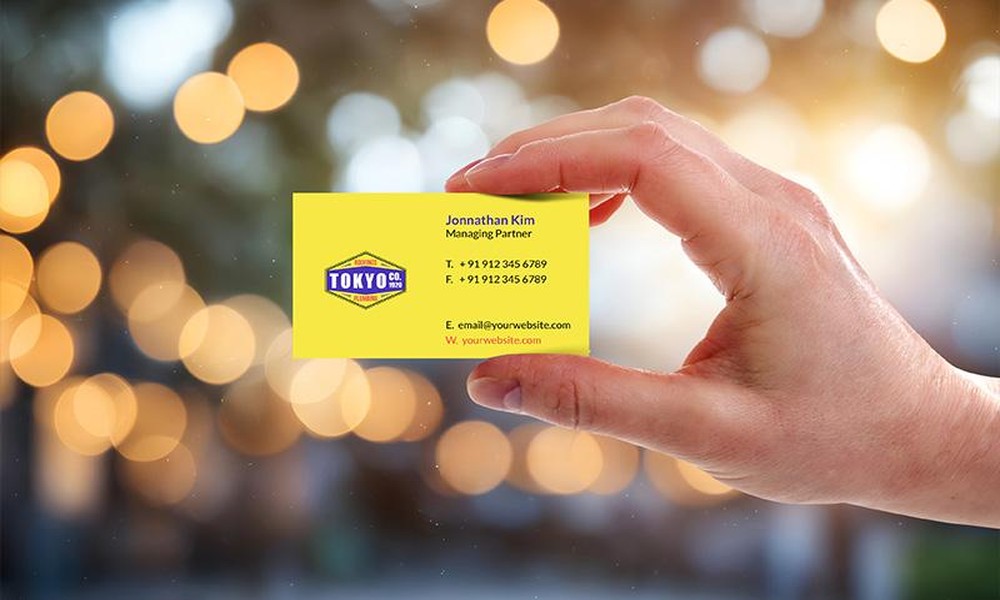
Key Takeaways
- Heavier paper stocks and unique textures provide a premium feel that consumer printers cannot match.
- Professional-grade ink and calibration ensure brand colours remain consistent across every physical asset.
- Speciality finishes and protective coatings keep cards looking sharp and professional despite frequent handling.
Introduction
Physical business cards remain a staple of professional networking. While digital connections happen in seconds, a tangible card creates a lasting point of contact after a meeting concludes. However, a flimsy or poorly aligned card can subtly undermine a professional image before a conversation even begins, which is why many executives move past basic home-office solutions and seek print services for their corporate stationery. High-quality printing services provide the colour accuracy and material weight that signal reliability and attention to detail. Transitioning to professional production allows a brand to showcase a level of polish that matches its expertise, as a well-crafted card acts as a silent ambassador, ensuring that a first impression remains positive and memorable.
1. Selecting Appropriate Paper Weight and Texture
The first physical attribute a recipient notices is the weight and feel of the paper stock. Professional print services offer various GSM (grams per square metre) options, with standard corporate cards typically ranging from 300gsm to 400gsm. A heavier card feels substantial and durable, suggesting a stable and established business entity. Beyond weight, modern printing services offer diverse textures, such as linen, recycled kraft, or silky smooth matte finishes. These tactile elements transform a simple piece of card into a sensory experience, making the recipient more likely to retain it. Choosing the correct paper stock is a foundational step in creating a card that reflects a brand’s unique personality and professional standing.
2. Ensuring Colour Precision and Brand Consistency
Corporate identity relies on specific colour palettes that must appear identical across all marketing materials. Achieving this level of consistency requires the advanced calibration found in professional print services. Standard office printers often struggle with subtle gradients or specific brand shades, resulting in cards that look washed out or off-colour. Professional printing services utilise high-end digital or offset presses to ensure that brand colours remain vibrant and accurate on every card in the batch. Visual consistency builds trust with clients by demonstrating high standards across every facet of the business. When cards match letterheads and digital assets perfectly, the result is a unified and cohesive brand image.
3. Utilising Speciality Finishes for Visual Impact
To stand out in a competitive environment, many businesses use speciality finishes that capture light and attention. Professional print services can apply techniques like spot UV, which adds a glossy layer to specific areas such as a logo, or foil stamping for a metallic touch. These printing services also include options like embossing or debossing to create a three-dimensional effect on the card surface. These finishes add a layer of sophistication that is difficult to replicate with basic equipment. Strategically using these visual accents draws attention to the most important information while giving the card a premium feel. These small details often serve as effective conversation starters during networking events.
4. Prioritising Sharp Typography and Legibility
A business card’s primary function is to communicate information, making clarity and legibility paramount. Professional print services use high-resolution plates and inks to ensure even small fonts remain crisp and easy to read. Lower-quality printing services can result in bleeding or blurry edges around text, which appears unprofessional and makes the card difficult to scan. Sharp typography ensures that contact details, website URLs, and job titles are immediately accessible to the recipient. When text is perfectly aligned and flawlessly printed, it reflects an organised and meticulous approach to professional duties. This clarity makes it easy for potential clients to reach out after an initial encounter.
5. Investing in Durability and Protective Laminations
Corporate cards often stay in wallets or cardholders, where they face constant friction and potential bending. Professional print services offer protective laminations, such as matte or gloss finishes, which shield the card from moisture and scuffing. These printing services ensure that the edges of the cards do not fray or peel after regular handling. A laminated finish also prevents fingerprints from smudging the ink, keeping the card looking clean for a longer period. Investing in durable finishes means the card continues to represent the business well, even weeks after the initial exchange, ensuring that contact information remains intact and professional-looking for the long haul.
Conclusion
Details matter in a business, and a corporate card is often the most frequent physical representation of a brand. Moving away from generic, low-cost options to invest in professional print services immediately elevates a networking strategy. The combination of high-resolution printing services and premium paper stocks ensures that a card provides both information and a narrative of quality. Professional oversight ensures that contact details are respected by peers and clients. By selecting materials that withstand the heat and handling of daily life, a business maintains a vibrant and competitive presence. Ultimately, the confidence that comes with high-quality stationery is worth the shift toward professional production.
For professional packaging and printing services that will transform your corporate presence, contact PackInk today.