
Digital transformation is no longer a buzzword; it is a strategic imperative for facilities seeking to improve efficiency, reduce costs, and enhance sustainability. For operations managers, engineers, and sustainability officers, modernizing a facility can seem daunting. Older infrastructure, budget constraints, and uncertainty about where to begin often make the process appear complex. However, taking a structured approach can simplify the transition, providing measurable benefits without overwhelming staff or operations.
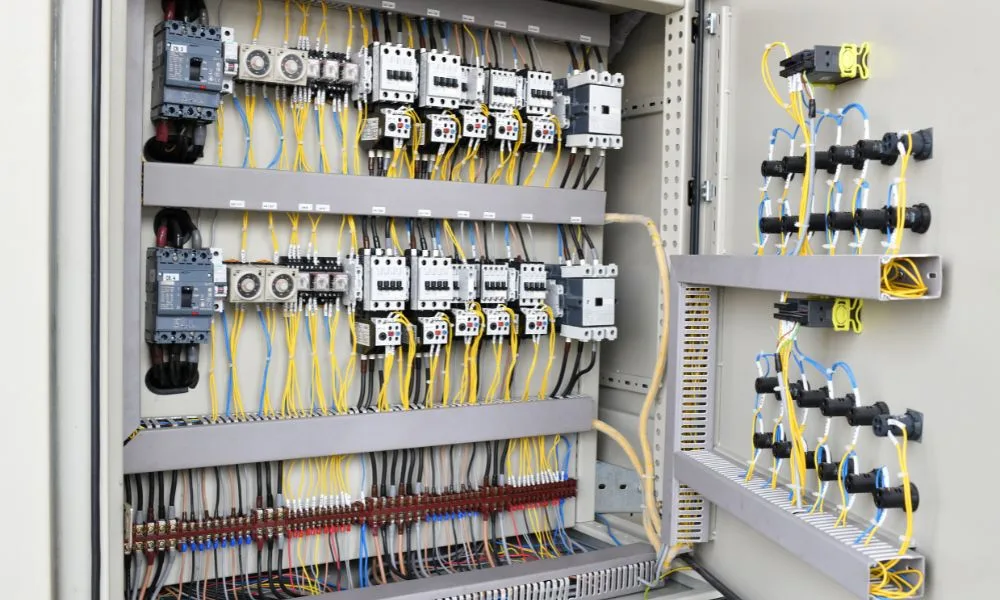
The first step in any digital transformation initiative is understanding the current state of the facility. This involves mapping all critical systems, from HVAC and lighting to electrical distribution and mechanical equipment. Older assets, while functional, may not natively support modern monitoring and control technologies. In these cases, solutions such as smart retrofits or bridging devices allow integration with newer platforms. Even basic updates, like ensuring circuit breakers or a disconnect switch is properly monitored, can provide the foundational data needed to make informed decisions.
Once existing systems are evaluated, it becomes easier to identify priority areas for digital upgrades. Energy management is often an excellent starting point. Installing advanced metering, sensors, and data collection tools provides insight into energy usage patterns, peak load periods, and areas of inefficiency. Facilities can use this data to implement targeted improvements, such as optimizing HVAC schedules, adjusting lighting based on occupancy, or managing plug loads more effectively. These incremental steps allow the organization to see immediate benefits and build momentum for broader transformation efforts.
Automation is another key component of digital transformation. Integrating control systems across mechanical, electrical, and environmental functions allows facilities to operate more efficiently and respond to changing conditions with minimal manual intervention. For example, automated sequences can adjust temperature, airflow, and lighting in response to occupancy patterns or energy pricing signals. Even legacy equipment can participate in automated workflows when retrofitted with compatible control modules, extending the life of existing assets while enhancing operational flexibility.
Data management and analytics are central to scaling digital transformation. Gathering information is only the first step; the real value comes from interpreting that data to inform decision-making. Facilities that adopt analytics platforms can visualize energy consumption trends, predict maintenance needs, and benchmark performance against similar sites. This approach allows teams to identify recurring issues, optimize equipment schedules, and plan proactive interventions, ultimately improving reliability, reducing downtime, and lowering operational costs.
Cybersecurity is a critical consideration when implementing digital systems. Connected devices, sensors, and control platforms can introduce vulnerabilities if not properly secured. Establishing robust protocols, including user authentication, network segmentation, and continuous monitoring, ensures that digital initiatives enhance operations without compromising safety or data integrity. Facilities that prioritize security from the outset are better positioned to scale transformation efforts confidently.
Staff engagement and training are also essential. Technology alone cannot drive efficiency improvements; employees must understand how to leverage new systems effectively. Training programs that explain the purpose and operation of digital tools, combined with clear procedures for responding to alerts or anomalies, help teams gain confidence in using these platforms. Over time, this knowledge supports a culture of continuous improvement and operational excellence.
Scaling digital transformation requires a structured, phased approach. Initial projects should focus on high-impact areas with clear returns on investment, such as energy management, equipment monitoring, or automated scheduling. As these systems prove their value, additional functions, including predictive maintenance, environmental controls, and facility-wide automation, can be incorporated. This incremental methodology minimizes disruption, spreads costs over time, and allows teams to learn and adapt as they expand digital capabilities.
Another important consideration is interoperability. Facilities often have a mix of legacy and modern systems, and ensuring that new platforms can communicate effectively with existing equipment is critical. Standards-based protocols, middleware, and integration platforms allow disparate systems to share data and operate cohesively. By prioritizing interoperability, facilities can create a unified control environment that simplifies operations, enhances visibility, and supports advanced analytics.
Digital transformation also opens the door to sustainability initiatives. Monitoring energy usage, managing demand, and optimizing equipment operation reduce both operational costs and environmental impact. Insights from analytics platforms can guide strategic investments in renewable energy, energy storage, or efficiency upgrades, aligning operational improvements with corporate sustainability goals. Even small changes, like optimizing the use of equipment connected to a disconnect switch, contribute to measurable energy reductions and support a culture of responsible resource management.
In conclusion, digital transformation in facilities is achievable with a thoughtful, phased approach. Beginning with a clear assessment of existing infrastructure, incorporating targeted energy management and automation initiatives, and leveraging data analytics allows organizations to realize tangible benefits early in the process. Prioritizing security, staff engagement, and interoperability ensures that these improvements are sustainable and scalable. By starting strategically and expanding capabilities incrementally, facilities can modernize operations, enhance efficiency, and achieve long-term operational and environmental success.