
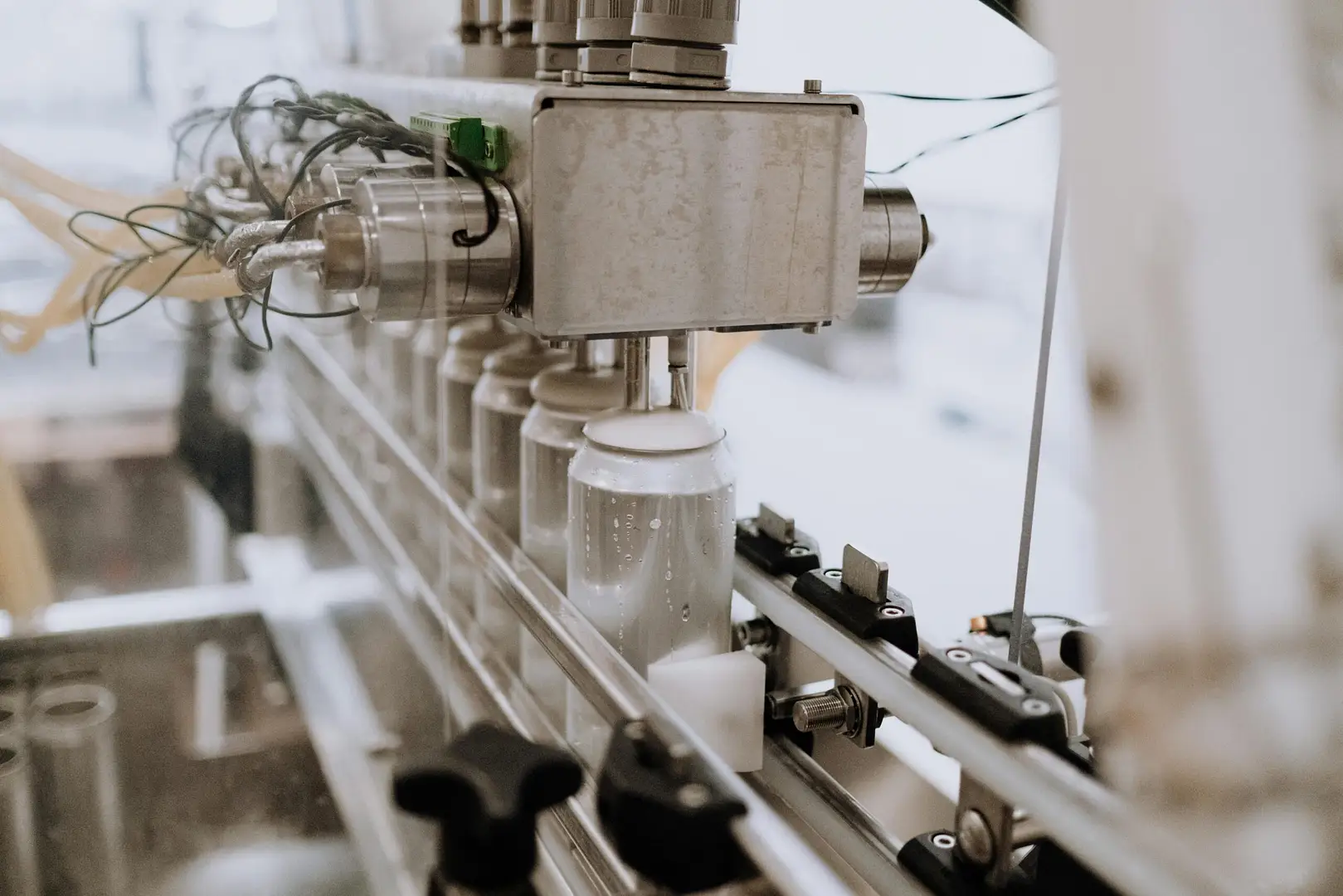
Manufacturing facilities face a wide range of bottlenecks that can slow production and increase costs. Identifying these obstacles is the first step toward improving efficiency. Automation has emerged as a key strategy for resolving common issues, allowing manufacturers to maintain consistent throughput while meeting quality standards.
One frequent bottleneck occurs in material handling. Delays in transporting raw materials to production lines can disrupt schedules and reduce productivity. Automated conveyors, robotic palletizers, and automated guided vehicles can streamline this process. Integrating these solutions with systems integration solutions ensures that inventory levels are monitored in real time and materials arrive precisely when needed.
Machine downtime is another critical bottleneck. Equipment failures halt production and lead to missed deadlines. Predictive maintenance technology can anticipate issues before they become critical, scheduling maintenance during off-peak hours and minimizing disruption. Automated monitoring systems provide constant feedback to operators, alerting them to potential problems and reducing unplanned downtime.
Workforce shortages or uneven labor allocation can also restrict production. Automation allows repetitive tasks to be performed by machines, freeing employees for more complex responsibilities. Combining automated machinery with workflow management software improves task assignment and keeps production moving efficiently.
Quality control can be a hidden bottleneck when inspection processes are slow or inconsistent. Automated inspection systems use cameras, sensors, and AI algorithms to identify defects at high speed, ensuring consistent output and reducing scrap rates. Linking these systems with production management software allows quality data to inform broader operational decisions.
Changeovers between product lines often cause delays. Manual changeovers are time-consuming and prone to error. Automation tools such as robotic tooling and programmable production lines accelerate transitions, reducing downtime and maintaining product quality. Integrating these processes with centralized control systems ensures smooth coordination across shifts and departments.
Inventory management is another area where bottlenecks arise. Excess stock or stockouts can disrupt manufacturing schedules. Automated storage and retrieval systems combined with inventory tracking software allow managers to maintain optimal levels, improving order fulfillment and reducing carrying costs. Systems integration solutions can connect these storage systems with planning software, providing a holistic view of supply chain operations.
Supply chain delays beyond the factory floor are common bottlenecks. Automated communication and scheduling platforms facilitate timely interactions with suppliers, alerting production teams to delays and adjusting plans accordingly. This proactive approach helps keep production lines operational even when external factors fluctuate.
Data processing and reporting can slow decision-making. Manual entry and analysis take time and are prone to errors. Automation platforms can collect, process, and present data in real time, giving managers actionable insights quickly. Integrating these systems with production dashboards creates a centralized source of truth for operational decision-making.
Maintenance coordination can also impede efficiency. When multiple systems require attention simultaneously, production schedules can be disrupted. Automated scheduling software prioritizes maintenance tasks based on urgency and impact, minimizing conflicts and downtime.
Finally, material quality inconsistencies can create downstream bottlenecks. Automated sorting, inspection, and grading systems detect and segregate substandard materials before they enter production, maintaining consistent product quality and reducing rework.
Automation, when applied strategically, addresses each of these bottlenecks effectively. Systems integration solutions enhance the benefits of automation by connecting machines, software, and personnel into a coordinated workflow. By adopting automated tools for material handling, quality control, predictive maintenance, and data management, manufacturers can eliminate delays, improve throughput, and reduce operational costs.
Warehouse and plant managers who leverage these technologies gain a competitive edge. They can respond to fluctuating demand with agility, maintain high-quality standards, and reduce inefficiencies that once hindered production. Automation is not just a convenience but a critical enabler for modern manufacturing, allowing facilities to operate at their full potential while adapting to an increasingly demanding market environment.