
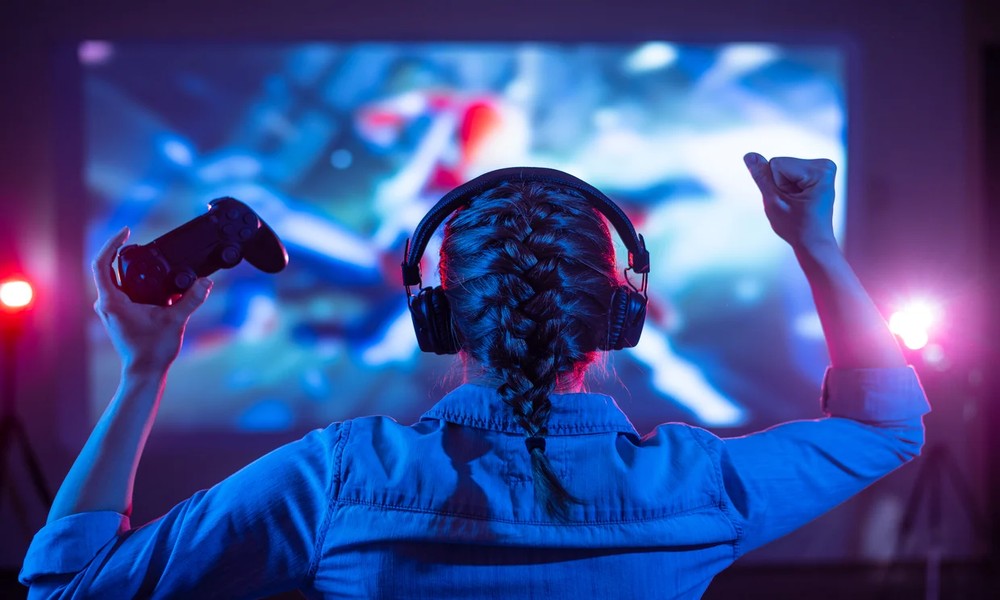
The gaming audience is one of the most engaged, vocal and digitally native consumer groups in existence. Gamers spend significant time online, they form strong communities around shared interests, they have high expectations of the brands they support, and they are quick to call out anything they perceive as inauthentic, cynical or disrespectful. For gaming brands, social media is not an optional supplement to a marketing strategy – it is the primary arena in which reputation is built and community is nurtured.
Community First, Marketing Second
Gaming communities have a well-developed scepticism towards brand marketing. They have seen too many publishers and developers make promises that were not kept, use manipulative monetisation practices, or treat their playerbase as a revenue source rather than a community. Brands that lead with community – that genuinely invest in relationships with players, listen to feedback, acknowledge problems honestly and celebrate what makes their game or product special – earn a very different kind of loyalty.
This means that social media for gaming brands should be oriented primarily around the community rather than around commercial announcements. Player stories, community achievements, fan art, user-generated content, developer Q and As, patch notes explained with genuine care – these are the building blocks of a community-centred presence.
Transparency About Development And Decisions
Gamers want to understand the thinking behind decisions that affect their experience. When a studio changes a mechanic, delays a release, adjusts an economy or makes any other significant decision, players want to hear the reasoning from the people who made it – in plain language, without corporate hedging. Developers and community managers who communicate authentically about difficult decisions tend to be treated with considerably more goodwill than those who issue carefully worded press releases.
Live streams, developer diaries, community calls and honest social media posts have all been used effectively to build trust through transparency. Ukie represents the UK games industry and regularly highlights the importance of community management and direct player engagement as competitive differentiators for studios of all sizes.
Content And Entertainment Value
Gaming social media content that works tends to be genuinely entertaining – clips of remarkable gameplay moments, humorous takes on shared experiences within the game, celebrations of player creativity, and engagement with the cultural references that resonate within a specific gaming community. The brands that treat their social media as entertainment rather than as promotion tend to earn far more organic reach.
Responding To Feedback, Including The Difficult Kind
Gaming communities express frustration loudly and publicly. How a brand responds to criticism – whether with genuine engagement or defensive deflection – is one of the most watched aspects of its social media behaviour. Acknowledging legitimate criticism, committing to improvements and following through builds the kind of trust that survives difficult periods.
Consistent Presence In A 24/7 Community
Gaming communities do not keep business hours. Consistent social media management from a company like 99social helps gaming brands maintain a professional and responsive presence.
Earn the community’s trust, and they will advocate for you more powerfully than any advertising campaign could.