
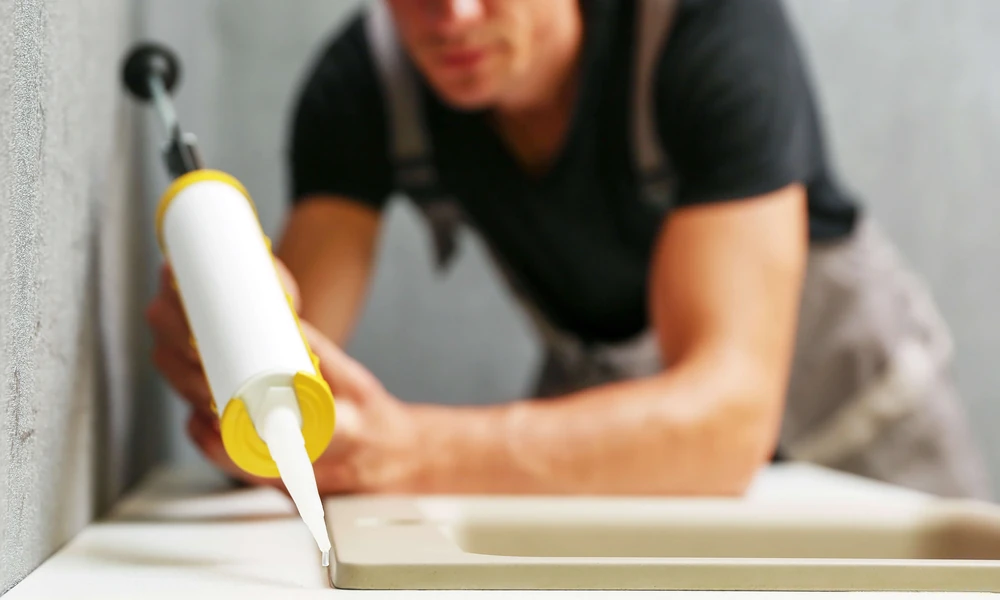
Walk onto almost any modern building site and you’ll see cartridges of adhesive alongside nail guns and drills. Builders now use bonding products for jobs that once relied only on nails and screws.
construction adhesives have become a regular part of framing, flooring, cladding and fit-out work. Builders searching this topic usually want to know where these products work best, where mechanical fixings are still needed and how to get reliable results on site.
Why Builders Use Them
The main reason is how they spread load. A screw holds at one point. An adhesive bead holds along the whole joint. This reduces movement, vibration and the squeaks that often appear in floors over time.
Adhesives can also:
· Bond different materials, such as timber to concrete
· Fill small gaps on uneven surfaces
· Reduce the number of visible fixings
· Add strength alongside nails or screws
Where They Make the Biggest Difference
· Subfloors. Gluing sheet flooring to joists helps prevent squeaks. Most builders still use screws or nails as well.
· Plasterboard. Stud adhesive is commonly used with screws to fix plasterboard to framing. This reduces fixings and limits popping.
· Timber framing and decking. Outdoor-rated adhesives add strength in exposed areas.
· Panels and cladding. Many panel systems use adhesive alongside fixings for a cleaner finish.
· Masonry and concrete. Adhesives can bond sills, trims and fixtures where drilling is difficult or could crack the surface.
Where Mechanical Fixings Still Matter
Adhesives don’t replace screws or nails everywhere. Structural connections, roof framing and anything covered by specific building requirements still need the fixings set out in the plans or by the manufacturer.
In many applications, construction adhesives work best as part of a system, adding strength rather than carrying the full load alone. If you’re unsure, check the engineer’s plans or ask the manufacturer before relying on adhesive for any load-bearing connection.
Choosing the Right Product
Consider the materials, the environment and the load. Polyurethane and hybrid polymer adhesives suit outdoor and mixed-material work. Water-based adhesives often suit indoor jobs and are easier to clean up.
Check whether the product is rated for moisture, temperature changes or structural use. Some are also designed to bond to damp surfaces, which helps on wet sites.
Getting Good Results on Site
· Prepare surfaces. Remove dust, oil and loose material.
· Check temperature. Cold or wet conditions slow curing.
· Apply the right bead size. Follow the manufacturer’s guidance.
· Fix within open time. Each product has a working window.
· Support while curing. Don’t load the joint too early.
Common Mistakes Builders Make
Some apply adhesive to dusty timber or damp concrete without checking the label. Others rely on adhesive alone where fixings are still needed. Skipping curing time is another frequent problem, especially on fast-moving jobs.
Weather matters too. Hot sun can skin adhesive quickly, while cold mornings slow curing.
Health and Safety
Read the safety data sheet, especially for solvent-based products. Use them in ventilated areas, wear gloves where recommended and store cartridges away from heat.
Frequently Asked Questions
· Do construction adhesives replace nails? Not usually. They’re often used alongside nails or screws.
· Can they be used outdoors? Yes, if the product is rated for exterior use.
· How long before a joint can take load? It varies. Check the product’s curing time.
· Do they work on damp surfaces? Some do. Read the label carefully.
Construction adhesives are now a standard part of modern building. Used correctly, they strengthen joints, reduce movement and save time. Choose the right product, prepare surfaces properly and follow the guidance every time.