
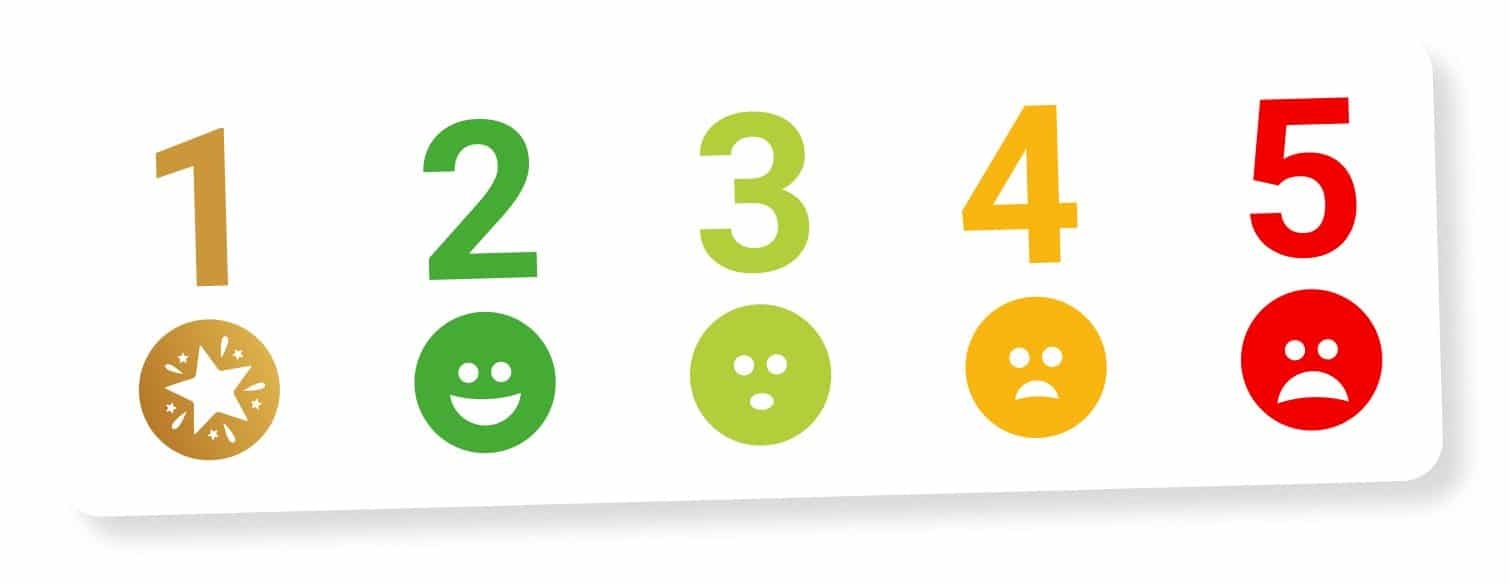
Understanding customers is a vital goal. Businesses seek tools that reveal what people value. Surveys are a common method for gathering this insight. The ordinal scale offers structure to interpret subjective feedback. It arranges attitudes and preferences in a clear order. This reveals not only what customers like but also how they rank their choices. From simple rating scales to detailed rankings, the ordinal scale helps uncover deeper insight. It converts feelings into measurable order. This order then guides how brands design experiences. It also supports better segmentation of customer groups based on shared priorities.
Measuring Preferences through the Likert Approach
The Likert approach is familiar to most survey participants. It asks people to agree or disagree with a statement in steps. Each step shows intensity of feeling. The order reflects direction and strength of opinion. The data from such scales can reveal how strongly a group feels toward a product or idea. It allows researchers to separate mild approval from strong endorsement. The value of this method lies in its clarity. It makes soft emotions countable. It also encourages consistency in interpretation. The result is data that highlights patterns in attitudes and satisfaction.
Ranking Surveys and Decision Clarity
Ranking surveys help translate bias into order. Participants place items in a list that mirrors real preference. The top position signals what matters most. The final position shows least interest. This format forces clear choices. It removes indecision by requiring direct comparison. The insight gained shows how customers make tradeoffs. It brings out decisive priorities. It helps product teams know which features deserve focus. Ranking also creates a rich picture of motivation. It helps uncover unspoken needs that drive behavior. This allows brands to design smarter offerings.
Customer Segmentation through Ordered Insight
Segmentation gains precision through ordered feedback. When groups express their preferences with clarity, the business can cluster them by shared order. Each segment forms around similar rankings or ratings. This allows marketing messages to match expectations. It also reveals new micro groups with distinct values. Segmentation done this way feels natural and evidence based. It turns survey data into actionable direction. The ordered results show what features each group desires most. This clarity makes targeting more effective and communication more relevant.
Using Ordered Data to Shape Strategy
Ordered data changes strategy design. It helps organizations see beyond totals. Managers can now compare the intensity of liking between groups. This reveals where to invest and where to improve. The pattern of order also signals future trends. A shift in ranking can forecast changing taste. Businesses that use this insight can adapt faster. Strategic focus grows sharper with such guidance. The ordinal scale thus links customer voice to direction. It turns structured feedback into strategic confidence.