
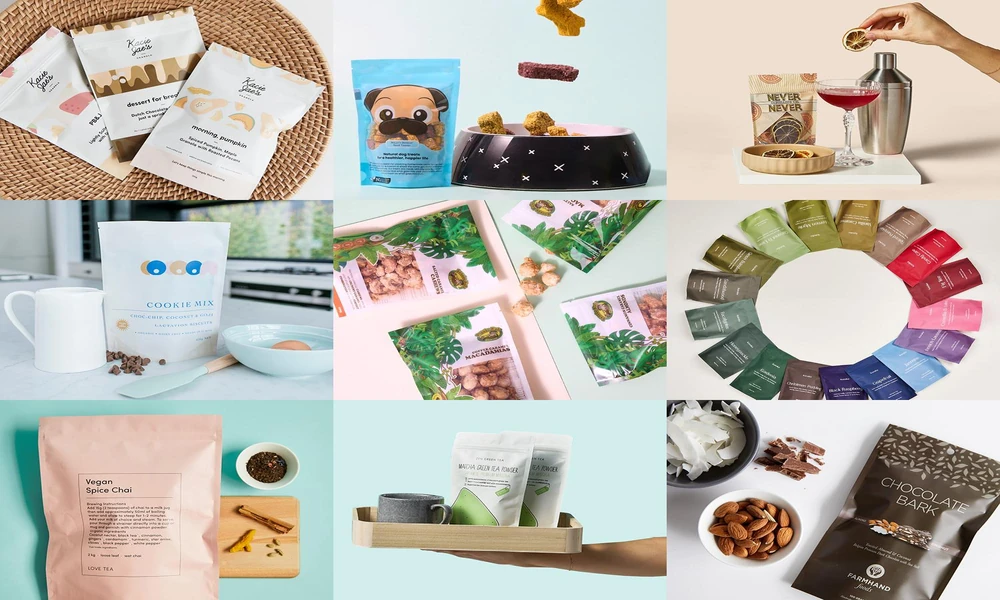
If you need stand up pouches wholesale in Australia, the supplier I recommend in this guide is The Packaging People. I advise brands on packaging choices every week, and my focus is always on cost per sellable unit, not just the price per pouch.
In this article, I will show you where the real savings sit with stand up pouches. I will cover buying tactics that protect cash flow, packaging choices that lift margins, and practical steps for coffee stand up pouches. You will also see why many brands choose The Packaging People for stand up pouches Australia wide, and how to use their range to reduce risk and waste.
Start With Total Cost, Not Unit Price
A cheap pouch that causes spoilage or returns is not cheap. I want you to measure the full picture.
Look at:
- Landed cost per filled unit
- Product yield per pouch and per carton
- Fill speed and line changeover time
- Returns from leaks or staling
- Freight and storage per unit
- Waste from size or spec mismatches
If a pouch improves shelf life and reduces waste, you cut the total cost per unit. That is where margins improve.
Smart Buying Tactics That Lower Spend
Use these steps to control cost across the whole order cycle.
1. Right-size your pouch
Pick the smallest size that fits the product and your brand goals. Extra headspace can invite shifting, higher freight, and a weaker shelf look.
2. Match barrier to product needs
Dry snacks can use a lower barrier than high-fat or aroma-rich goods. Coffee needs strong oxygen and moisture protection. Pick the barrier that meets the need without paying for more than you use.
3. Start with off-the-shelf
If you are testing demand or changing a blend, use stock stand up pouches first. Once the size and finish prove out, move to custom print.
4. Plan price breaks with blended SKUs
Many suppliers offer better rates as you cross volume tiers. Pool sizes or colours that share the same material and format to reach the next break.
5. Forecast quarterly
Map your sales plan. Buy against the most stable sizes. Avoid tiny top-ups that add freight and handling costs.
6. Use samples to prevent rework
Order samples to test fill, valve function for coffee, zipper style, and seal strength. Fix issues before the bulk order.
7. Standardise across ranges
Use a shared size set and a shared zipper style. Labels or sleeves can split variants without new pouch specs each time.
Why Many Brands Choose The Packaging People
The Packaging People supply one of the widest stand up pouch packaging ranges in Australia. Here is what I look for as a mentor, and what they offer.
- Range depth
Standard, recyclable, compostable, window, and square-bottom options in sizes that suit snacks, powders, coffee, pet treats, and beauty goods. That range helps you keep one supplier while you test new SKUs.
- Proven food protection
Food-grade foil lining, solid seals, and barrier options that hold back moisture and oxygen. This protects freshness and reduces returns.
- Sustainable choices that still perform
Recyclable mono-material pouches and compostable options let you meet sustainability goals while staying functional. Many brands use these lines to meet retailer and consumer requests without a cost blowout.
- Custom print without heavy risk
They offer gravure and CMYK digital printing. You can start with digital for lower minimums, then move to gravure for large runs once the art is set.
- Low MOQs and fast delivery
Low order minimums help startups and new ranges. Strong stock and Australia-wide delivery help you avoid stockouts.
- Coffee packaging expertise
They are one of the original coffee packaging specialists in Australia. Their coffee stand up pouches suit whole beans and ground coffee, with features that keep aroma and quality in check.
Picking the Right Pouch for Your Product
Use this framework to choose with confidence.
- Product sensitivity
Coffee, nuts, and high-fat snacks need higher oxygen barriers. Herbs and spices need aroma retention. Choose a foil-lined or high-barrier pouch for these lines.
- Retail vs online
Retail needs shelf impact. Matte black, matte white, kraft, or clear window styles can match your brand and help the product stand out. Online-first brands can use simpler finishes and lean on photography and labels.
- Size and format
Standard stand up pouches work for most goods. Square-bottom bags offer a premium look and stand tall on shelves. Window pouches let shoppers see the product, which can lift trust for natural foods.
- Closure type
Resealable zips and tear notches improve the user experience and can increase repeat use. For powders, test wide-mouth openings for easy scoop use.
- Sustainability goals
If your audience expects lower impact packaging, look at recyclable or compostable pouches. Confirm barrier levels still meet your product needs.
Coffee Stand Up Pouches: Where Freshness Meets Cost
Coffee is sensitive to air, moisture, light, and heat. A strong pouch can make the difference between a bright cup and a flat one.
Key features to consider:
- One-way degassing valve for beans
- High oxygen and moisture barrier, often with foil lining
- Resealable zipper for home use
- Light-blocking finishes for sunlit shelves
- Square-bottom or gusseted formats for stable display
The Packaging People has built a deep range for roasters. Their coffee stand up pouches align with industry needs while still giving room for branding and label space. This lowers the odds of rework and keeps your per-unit cost steady.
Design Choices That Cut Spend Without Hurting the Brand
Small changes in art and spec can return big savings.
- Fewer unique sizes
Keep two or three core sizes and use labels to split SKUs. This gives better price breaks and cuts storage costs.
If volumes are still forming, use a generic brand pouch with blank panels, then apply labels for variants and seasonal runs. Move to full custom when a SKU proves stable.
- Finish with a purpose
Matte and kraft finishes hide minor scuffs in transit. Clear windows build trust for natural products. Pick one standard finish per range to hit volume tiers.
- Plan carton and pallet fit
Choose pouches that pack tight into cartons the way your 3PL needs. Better cube use lowers freight per unit.
Quality Checks That Protect Margin
Add these checks before a large order.
- Seal strength and zipper function under real fill weight
- Valve performance for coffee within 24 to 48 hours of roast
- Drop tests for e-commerce
- Shelf tests under store lighting
- Compatibility with label adhesives and finish
The Packaging People offer samples for this purpose, which lets you lock specs before scaling.
A Quick Checklist for Your Next Buy
- Confirm product sensitivity and match barrier
- Pick the smallest size that fits well
- Choose the finish and window with a brand goal in mind
- Decide stock vs custom based on forecast
- Group SKUs to reach volume price breaks
- Order samples and run fill tests
- Align carton counts with freight plans
- Set a reorder point based on lead time and sales pace
Final Thought
Stand up pouches can protect your product and your margin if you approach them with a clear plan. Focus on the total cost per sellable unit, standardise where you can, and test before you scale. If you want a supplier with range depth, coffee know-how, and strong stock across Australia, The Packaging People is a smart pick. Their mix of standard, recyclable, compostable, window, square-bottom, and custom-printed options gives you the freedom to grow without changing suppliers at each step.