
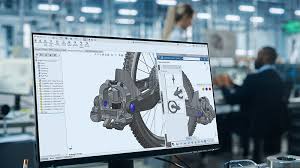
For many engineering teams, design work no longer happens in a simple, one-user environment. Projects move faster, product lines grow more complex, and more people need access to the same files at the same time. In that reality, data management is no longer a secondary concern. It is a core part of efficient engineering. That is why companies using solidworks software are paying closer attention to file control than ever before.
When file management is weak, even a skilled team can lose momentum. Engineers may open the wrong revision, overwrite someone else’s work, or waste valuable time searching for the latest version of a model. These issues may seem small at first, but they can quickly affect quality, deadlines, and production readiness. For businesses that depend on solidworks, better file control is not just about organization. It is about protecting the entire design process.
Why File Control Has Become More Critical
As teams expand, the number of CAD files, assemblies, drawings, and revisions increases rapidly. What once worked through shared folders and manual naming conventions often becomes unreliable. A single mistake in version selection can lead to incorrect manufacturing output, duplicated work, or delayed approvals.
This is where strong data management makes a difference. solidworks software supports engineering workflows best when users can trust that the files they open are accurate, current, and properly controlled. Without that trust, collaboration becomes slower and decision-making becomes riskier.
The Hidden Cost of Poor Data Management
Poor file control creates more than inconvenience. It creates waste. Engineers spend time checking revisions, recreating missing work, and resolving avoidable confusion between departments. Production teams may receive outdated drawings. Managers may struggle to track design status with confidence.
Over time, these problems reduce the value of solidworks itself. The software may be powerful, but if the surrounding workflow is disorganized, productivity suffers. In many companies, the real bottleneck is not design capability. It is the lack of structure around design data.
Better Data Management Supports Better Collaboration
Modern engineering depends on teamwork. Designers, engineers, project leaders, and manufacturing staff all need reliable access to the same information. Good data management helps make that possible by improving revision control, reducing duplicate files, and making approvals easier to follow.
With the right approach, solidworks software becomes part of a more stable and scalable workflow. Teams can collaborate with greater confidence because they are working from controlled and traceable data, not assumptions.
Final Thoughts
File control matters more than ever because product development is moving faster, and the cost of confusion is rising. Companies using solidworks need more than strong modeling tools. They need a disciplined way to manage the data behind every part, assembly, and drawing. When solidworks software is supported by effective data management, engineering teams can work more accurately, collaborate more smoothly, and move projects forward with far less risk.