
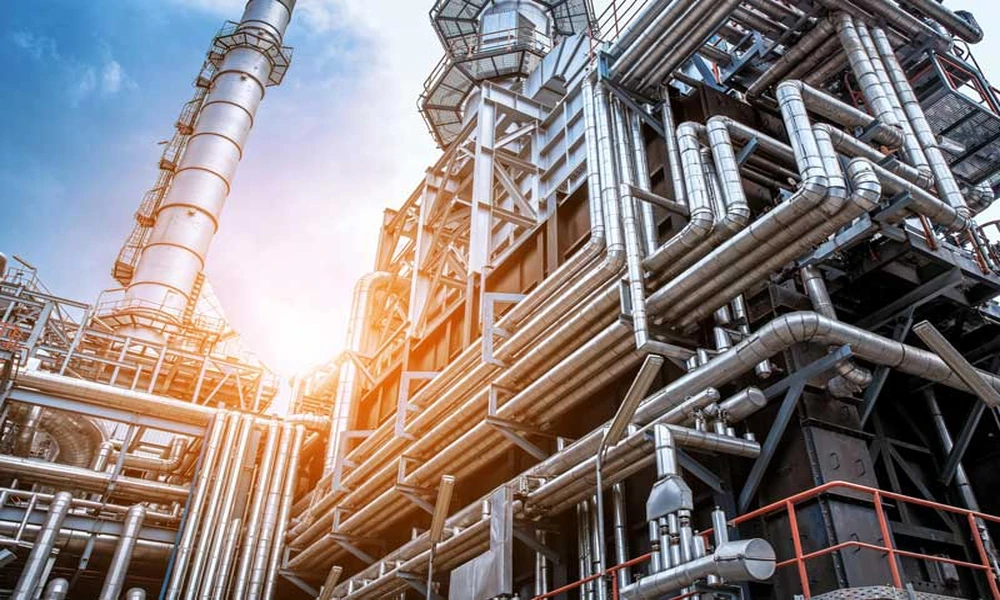
Industrial air filtration systems are designed to eliminate pollutants. Especially from ambient air or process exhaust in manufacturing settings. Depending on the use, these methods can collect smoke, dust, mist, or harmful vapors. This is to ensure a clean atmosphere and meet regulatory standards.
Properly maintained, a clean atmosphere is among the most essential elements. When it comes to ensuring efficient, safe, and compliant industrial processes.
The requirement for dependable purification methods has never been more significant. Thus, spanning from chemical processing plants to power generation facilities.
Such technologies not only protect employees and machinery. But also guarantee that strict environmental standards are regularly adhered to.
Operators encounter the increasing challenge of managing airborne particles, mists, and vapors. These can impact environmental health and production quality. Modern air pollution control applications from Matrix Systems provide specialized, high-efficiency solutions. These tackle particular process issues while enhancing system longevity, efficiency, and sustainability.
Air Filtration System Challenges in the Industrial Sector
In industrial environments, upholding superior AQI is essential for safeguarding equipment. Also, promoting employee health and complying with regulatory standards.
Inadequate cleaning may result in various problems. This includes equipment breakdowns, higher operational expenses, and health hazards.
Choosing the appropriate purification approach involves assessing various aspects. Such as contaminant type, process temperature, particle size, airflow rate, and gas composition. Every procedure poses distinct challenges that require exact engineering.
Collaborating with a manufacturer that comprehends these criteria is essential. It guarantees a tailored air pollution control system throughout its operational lifespan. It is especially designed for dependability, compliance with regulations, and economic efficiency.
- Managing Airborne Molecular Contamination (AMC)
AMC poses a significant challenge in sectors like semiconductor production. As even minimal contaminant levels can cause product defects.
These consist of chemical gases and vapors that can disrupt delicate processes. AMCs can result in major quality control problems. Also, contributing to higher scrap rates, delays in production, and potential shutdowns. Especially when the contamination is serious.
The effect on product standards can also result in customer discontent and monetary losses.
Industries must utilize specific purifiers tailored to capture AMCs for effective control.
Consistent AQI oversight is crucial for identifying problems promptly. Adhere to rigorous cleanroom protocols and ensure adequate ventilation. This can reduce the occurrence of AMCs.
Check out https://ww2.arb.ca.gov/resources/inhalable-particulate-matter-and-health to read further.
- Managing Elevated Dust Levels
Manufacturing activities frequently produce significant quantities of dust. This can surpass the capacity of conventional purifiers.
It can quickly block filters, decrease their effectiveness, and cause frequent changes. When filters get blocked, they cease to effectively purify the atmosphere. Thus, leading to diminished AQI and possible harm to delicate equipment.
The necessity for regular filter changes raises operational expenses. To handle elevated dust loads. These industries can utilize pre-filters intended to trap larger particles before reaching the main one. This prolongs the lifespan of the main filters and lessens the need for maintenance.
Employ dust collection approaches in locations with significant dust generation. This can improve AQI and safeguard equipment.
- Regulating Energy Use
Highly efficient filters are essential for trapping tiny particles. However, they may raise resistance, especially in HVAC systems. Thus, resulting in increased energy use. Higher energy consumption not only boosts operational expenses. But it also leads to a greater environmental impact.
As time goes by, this can turn into a major financial strain for sectors. To address this problem, industries ought to fund energy-efficient filters. Those that offer exclusive cleaning efficiency while minimizing resistance.
Improving HVAC systems for adequate airflow will also aid in lowering energy use. Carrying out routine maintenance activities guarantees that the network functions at maximum efficiency. Thereby reducing energy consumption and related expenses.
- Tackling Chemical Pollutants
Certain manufacturing operations emit toxic chemical fumes. These conventional ventilators fail to eliminate effectively.
Without adequate filtration, these chemical pollutants may lead to equipment corrosion. Also, threaten worker health and results in possible regulatory violations.
Utilizing activated gas scrubbers or carbon filters is crucial. Especially for eliminating chemical pollutants from the surrounding air.
These solutions are intended to capture toxic substances. It prevents them from spreading in the environment.
Routine checks and upkeep of these applications are essential. This is to address the unique chemical issues found in the industrial setting.
Go to this page for added info.

- Guaranteeing Adherence to Regulations
Industrial operations are required to comply with stringent air purity standards. This can be difficult to achieve, particularly as guidelines change.
Failure to adhere to air purity standards may result in legal repercussions. Also, delays in production, harm to the company’s reputation, and unsafe working environments.
Consistently reviewing filtration methods is essential for maintaining adherence to current regulations. Keep informed about the newest standards in this industry. Utilizing filters that adhere to or surpass these criteria aids in preventing possible problems.
Collaborating with specialists can also offer important insights. They can advise on ensuring regulatory compliance.
Conclusion
Purifiers play a crucial role in ensuring an efficient, safe, and compliant industrial setting. Industries can safeguard their machinery and improve overall operational efficiency. Also, it promotes employee wellness.
Consistently evaluating and improving purifiers. These are essential actions in reaching these objectives.
If you require enhancement, now is the moment to seek advice from specialists. Consider superior options customized to your particular requirements.