
Strict liability is a legal theory that may make a business responsible for injuries caused by a defective product, even when the injured person cannot show that the business acted carelessly. It does not make a seller responsible for every injury involving a product; the claim still depends on whether legal requirements are met. The details of strict liability in tort law and its application to products can vary by jurisdiction.
How strict liability differs from negligence
A negligence claim generally asks whether a defendant failed to use reasonable care and whether that failure caused harm. A strict liability product claim instead focuses on the product’s defect and its connection to the injury. Negligence may still be relevant in a case, but it is a separate theory with different elements to prove.
Why a plaintiff generally does not need to prove carelessness
The key distinction is that strict liability does not usually require proof that a manufacturer or seller knew about a defect or failed to inspect carefully. The focus is on whether a legally recognized defect made the product unreasonably dangerous and caused an injury. No proof of carelessness does not mean no proof is required: a plaintiff must still establish the applicable elements of the claim.
How strict liability compares with breach of warranty claims
A breach of warranty claim concerns a promise or assurance about a product, which may arise from an express statement or from warranties recognized by law. Strict liability is based on the product’s defective condition rather than a broken promise. The claims may overlap in a dispute, but they can involve different requirements, defenses, and filing rules.
Why the rules can vary by state
States differ in how they define defects, who may bring a claim, and what defenses may apply. Some jurisdictions also handle issues such as comparative fault, commercial sales, or the relationship between strict liability and warranty claims differently. General information can help frame the issue, but the law governing a particular injury depends on the relevant state and facts.
Which product defects may support a claim
Product liability claims commonly focus on a defect in how an item was made, how it was designed, or what users were told about its risks. Not every product that causes harm is legally defective; injuries can occur even when an item performs as intended. The type of alleged defect shapes the evidence a plaintiff may need to present.
Manufacturing defects in individual products
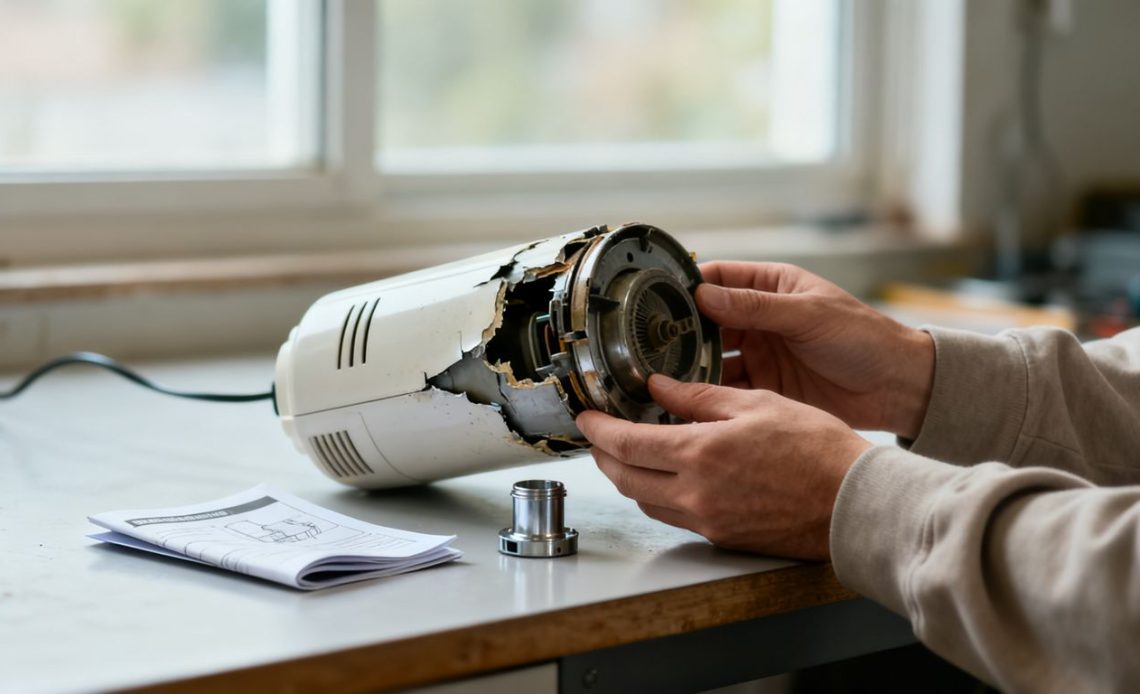
A manufacturing defect occurs when an individual product differs from its intended design or from other properly made units. The issue may involve a flaw in materials, assembly, or quality control that makes the particular item unsafe. A comparison with the intended design or with similar products may help explain how the item departed from its expected condition.
Design defects affecting an entire product line
A design defect concerns a product’s planned configuration, rather than an error limited to one unit. Because the same design may be used across many items, an alleged defect can affect an entire product line. Courts use differing tests to evaluate design claims, and the relevant evidence may include the product’s risks, its usefulness, and the practicality of a safer alternative where state law allows that inquiry.
Inadequate warnings or instructions about product risks
A product may be challenged when its warnings or instructions fail to communicate a relevant risk or explain how to use it safely. The claim may depend on whether the risk was foreseeable, whether a warning could have addressed it, and whether a better warning would have changed the user’s conduct. The warning standard and the evidence needed to meet it vary by state and by product.
How courts assess whether a product was unreasonably dangerous
Courts do not apply one identical test in every jurisdiction. Depending on local law and the defect alleged, a court may consider the product’s intended use, the nature of the risk, consumer expectations, or whether a feasible safer design was available. These are not automatic checkboxes; their relevance depends on the circumstances and the governing legal standard.
Who may bring a claim and who may be liable
A product injury claim may involve more than the person who bought the item or the company that made it. The injured person’s relationship to the product, the chain of sale, and the applicable state law can all matter. Identifying potential claimants and responsible businesses is an early step in understanding the scope of a dispute.
Consumers, users, and bystanders who suffer injuries
A person who uses a defective product may be able to bring a claim even if someone else purchased it. In some jurisdictions, a bystander injured by the product may also have a claim. Whether a particular person qualifies depends on the facts, the type of injury, and local rules.
Manufacturers and other businesses in the distribution chain
Potential defendants may include the product’s manufacturer and businesses involved in distributing or selling it. A claim against any particular business requires a legal basis under the applicable law; involvement in the chain does not automatically establish liability. Records identifying the product, its maker, and how it was sold can help clarify which entities may be relevant.
When retailers or distributors may be responsible
A retailer or distributor may be named in a claim under laws that extend product liability beyond the manufacturer. The rules differ, and a retailer’s role, the nature of the alleged defect, and the circumstances of the sale may affect the analysis. A retailer may also be accused of its own conduct, such as making a relevant representation, which is distinct from strict liability.
How business-to-business sales can affect a claim
When a product is sold from one business to another, the transaction may raise questions about warranties, contract terms, and which parties can bring particular claims. The involvement of commercial buyers does not by itself settle whether a strict liability claim is available. State law and the details of the sale can determine how the claims and defenses apply.
What a plaintiff must prove
The precise elements of a strict liability claim depend on the state and the defect theory, but a product’s involvement in an accident is not enough on its own. A plaintiff generally needs to connect a legally recognized defect to an injury and establish that the defect was present at the relevant point in the product’s history. Evidence must support each required part of that connection.
The product had a legally recognized defect
The plaintiff must identify a defect recognized by the governing law, such as a manufacturing, design, or warning defect. It is not enough to show that the product could have been safer or that an accident occurred while it was being used. The claim needs facts showing why the product’s condition met the applicable legal standard.
The defect existed when the product left the defendant’s control
A plaintiff may need to show that the defect existed when the product left the control of the defendant being sued. Later damage, wear, or changes to the item can make that question harder to resolve. Product records and evidence about how the item was stored, handled, and maintained may help establish its condition over time.
The defect caused the injury during a foreseeable use
The plaintiff must connect the alleged defect to the injury, rather than simply show that both existed. Courts may also consider whether the product was being used in a foreseeable way, though the exact test varies. The intended purpose, ordinary handling, and circumstances of the incident can all inform that analysis.
Evidence that can help establish the claim
The useful evidence depends on what defect is alleged and what happened. A careful record of the incident can help preserve details that might otherwise be forgotten. Depending on the case, relevant materials may include:
- The product, its packaging, and any instructions or warnings
- Photographs or video of the product, the scene, and visible damage
- Purchase, repair, maintenance, or service records
- Medical records and accounts from people who witnessed the incident
Taken together, these materials may help show the product’s condition, how it was used, and what injury followed. No single item proves a claim by itself, and evidence should be considered in context with the applicable legal requirements.
Defenses that may limit or defeat liability
A defendant may challenge whether the product was defective, whether the defect caused the injury, or whether the claim meets other legal requirements. Some defenses address the injured person’s conduct or changes made to the product after sale. Their availability and effect depend on state law and the specific facts.
Product misuse and unforeseeable use
A defendant may argue that an injury resulted from using a product in a way that was not reasonably foreseeable. An unusual use does not automatically defeat a claim; the question may turn on what uses a business should reasonably anticipate and how the product was used in practice. A product’s warnings and instructions may also be relevant to that analysis.
Substantial alterations after the product was sold
A product that was significantly changed after leaving a defendant’s control may raise questions about whether the original condition caused the injury. The nature and timing of an alteration matter, as does whether it contributed to the alleged defect. Ordinary wear or routine maintenance may be treated differently from a substantial modification, depending on the circumstances and governing law.
Comparative fault and assumption of risk
Some states allow a plaintiff’s own conduct to reduce recovery, while others apply different rules. A defendant may also argue that an injured person knew about a particular danger and voluntarily encountered it. These arguments are fact-specific, and their effect on a strict liability claim varies across jurisdictions.
Time limits for filing and state-specific restrictions
A claim must generally be filed within a deadline set by law, but the applicable period and the event that starts it can differ by state and claim type. Some jurisdictions also impose additional restrictions that may affect when a product claim can be brought. Because delay can jeopardize a claim, the relevant deadlines should be checked promptly with advice based on the specific facts.
What to consider when pursuing a product liability claim
After an injury, practical steps can help preserve information about what happened and document its effects. The product itself may be important evidence, and records created early can help establish both the incident and its consequences. The right approach depends on the person’s medical needs, the condition of the product, and the potential legal claims.
Medical records and documentation of losses
Medical care should take priority, and records can help document the injury, treatment, and any ongoing effects. Receipts, employment records, and notes about limitations in daily activities may also help record financial and personal losses. A clear, consistent record is more useful than relying on memory alone as time passes.
Preserving the product and related evidence
If possible, the product should be kept in its post-incident condition rather than repaired, discarded, or altered. Packaging, instructions, purchase information, and communications about the item may also be relevant. Safe storage matters: evidence should be preserved without creating further risk to anyone who may handle it.
Types of compensation that may be available
Depending on the facts and applicable law, compensation may include medical expenses, lost income, and damages for the effects of an injury on daily life. The categories available and the amount recoverable are not the same in every jurisdiction. Any recovery depends on proving the claim and establishing the losses, subject to applicable limits and defenses.
When to seek advice from a product liability attorney
An attorney may help assess which legal theories apply, identify potentially responsible businesses, and review evidence before it is lost or changed. Legal guidance can also help clarify filing deadlines and state-specific rules. A consultation is especially worth considering when injuries are serious, the product’s condition is disputed, or multiple businesses may be involved.