
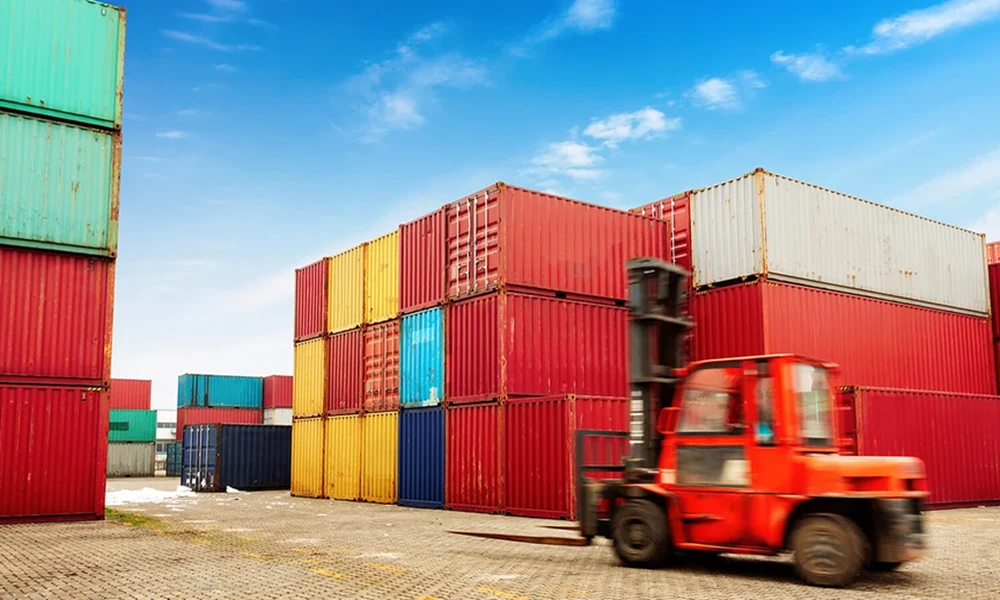
“Options” undersells how many actual decisions sit inside sourcing a container. There’s the type: general purpose, open top, flat rack, reefer, tank, or something more specialised. There’s the size: 20-foot, 40-foot, the 45-foot extended unit used on certain trade lanes, or a non-standard size for an unusual job. There’s the condition: new, one-trip, cargo-worthy, or as-is, each at a different price point. And there’s how it actually gets used: ocean freight, domestic road transport, or just sitting on a site as static storage.
Getting the right combination of those variables for a specific job is really the whole sourcing problem, and most of the wasted money in container procurement traces back to getting one of them wrong.
Infinex Containers covers this full range for Singapore businesses that need secure, flexible cargo handling across both maritime shipping and land-based use.
Container Type Options by Cargo Requirement
General purpose containers carry the bulk of international freight: bagged and packaged goods, cartons, palletised cargo, machinery, and manufactured products that aren’t temperature-sensitive, don’t need top loading, and fit through a standard rear door.
Open top containers swap the fixed roof for a removable tarpaulin, letting cargo go in from above by crane or forklift. That configuration is built for machinery and equipment too tall for the rear doors, or anything more efficiently craned in from the top than wrestled through a door opening.
Flat racks keep the end walls but drop the sides and roof entirely, which is exactly what out-of-gauge cargo needs: vehicles, construction machinery, and large fabricated structures too big for a standard box to hold.
Intermodal container options from Infinex focus on the GP and modified types Singapore businesses actually request most, rather than trying to stock every specialty variant that exists.
New vs. Used Container Options
Condition is one of the bigger levers in the sourcing decision, and not just on price. New containers, built to current ISO spec with zero prior cargo exposure, make sense for pharmaceutical and food cargo where interior contamination isn’t an option, for modification projects where the shell’s visual condition matters, and for long-term storage where the extra service life justifies paying the new-unit premium.
One-trip containers have made exactly one ocean voyage, usually carrying goods from a manufacturing country to a consumer market, and come out the other end in near-new shape at a meaningfully lower price than buying new. For a lot of buyers, that’s the sweet spot: near-new condition without the new-unit price tag.
Multi-trip used containers sit at the bottom of the price range after several voyages. Cargo-worthy grades are still structurally sound and weather-tight, but expect surface rust, dents, and visible signs of the cargo they’ve carried before.
None of these three options is objectively “better” than the others, the right one depends entirely on what the container needs to do and for how long, which is why condition selection deserves as much thought as size or type.
Flexible Use: Buy vs. Lease
Buying outright suits long-term or permanent use, where the container stays in service for years or gets modified for a specific purpose. Leasing fits the opposite case: a short-term or variable-volume need where the container is only required for one shipment, one season, or one project and not a day longer.
Singapore businesses with export volumes that swing seasonally often land on a mix: owned containers covering the baseline, leased units brought in to absorb the peaks, rather than owning enough capacity to cover the busiest month of the year and having it sit idle the rest of the time.
Cargo Security Features
How secure a container actually is in transit comes down to two things: the physical soundness of the structure itself, and the condition of the lockbox hardware at the doors. A container with a worn door seal or a damaged lockbox is meaningfully easier to tamper with than one in good condition, whatever the cargo inside is worth.
For cargo that genuinely needs extra protection, electronics, pharmaceuticals, or other high-value manufactured goods, electronic monitoring that logs door open and close events through transit adds a layer of accountability a physical lock alone can’t provide.
For Singapore businesses and logistics operators looking for intermodal container options that deliver secure, flexible cargo handling across the full range of shipping and storage needs, Infinex Containers provides the container supply and cargo handling solutions that Singapore’s import and export trade actually runs on.