
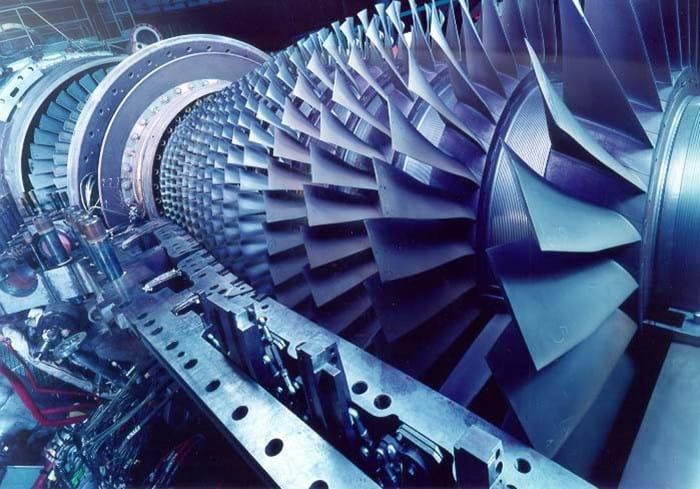
Cost, performance, and dependability are the main concerns while managing gas turbine systems. You’ll be closely observing how parts like compressors and blades manage extreme heat and vibration. To prevent expensive downtime, frequent inspections and appropriate maintenance procedures are essential.
However, how can you determine whether maintenance procedures actually have an impact? Also, what are the most recent methods for identifying minor problems before they become more serious? The solutions may completely change your strategy.
Hot Gas Path Inspection
To restore efficiency and prevent major failures, an HGPI in turbines is an essential maintenance event. It focuses on the high-temperature components like blades, vanes, and combustion parts.
It usually takes place every few years and involves detailed non-destructive evaluation, or NDE. Also, disassembly and repair or replacement of damaged components. Such as buckets, nozzles, and combustors, which hot gas path inspection services focus on.
This checks for wear and tear on important parts such as nozzles, turbine blades, and shrouds. By addressing the vulnerable components that are subjected to the highest temperatures. An HGPI assists you in maintaining the efficiency as well as output of your turbines.
It is made up of essential parts that are made to withstand severe environments and high temperatures. The turbine’s lifespan as well as reliability are increased by advanced coatings. This improves resistance to oxidation, high temperatures, and thermal fatigue.
What it Entails
This covers the examination of blades and combustion components. This inspection is carried out between the two CIs, not over 24,000 running hours following the last MI.
At this point, the casing cover is taken off. Thus, exposing the blades of rotors for visual examination and, if necessary, replacement.
Certain equipment that runs on fuel oil will have its blades replaced. Because of carbon and deposits that have developed. This is a result of the combustion system and firing temperature.
Disassembly involves removing the components and combustion chambers by opening the casing.
- Inspection: Checking for wear, erosion, cracks, and coating degradation using borescoping along with other NDE techniques. You may go to https://www.aisc.org/steel-solutions-center/engineering-faqs/9.1.-nde-methods/#9403 for further reading.
- Blades (Buckets) and Vanes: Hot gas strikes the initial stages directly.
Fuel burns in combustion liners and nozzles. - Stationary Seals & Shrouds: To assure appropriate gas flow.
- Repair/Replacement: Recoating or fixing buckets, replacing worn gasoline nozzles, and fixing other broken components.
- Reassembly and Tuning: To guarantee optimum performance and emissions, the unit must be reassembled and tuned.
Why does it matter?
- Extends Life: This prolongs the life between significant overhauls by revitalizing the heated region.
- Guarantees Reliability: Prevents catastrophic failures as well as downtime by identifying problems early.
- Preserves Efficiency: Regains performance that was lost as a result of component wear.
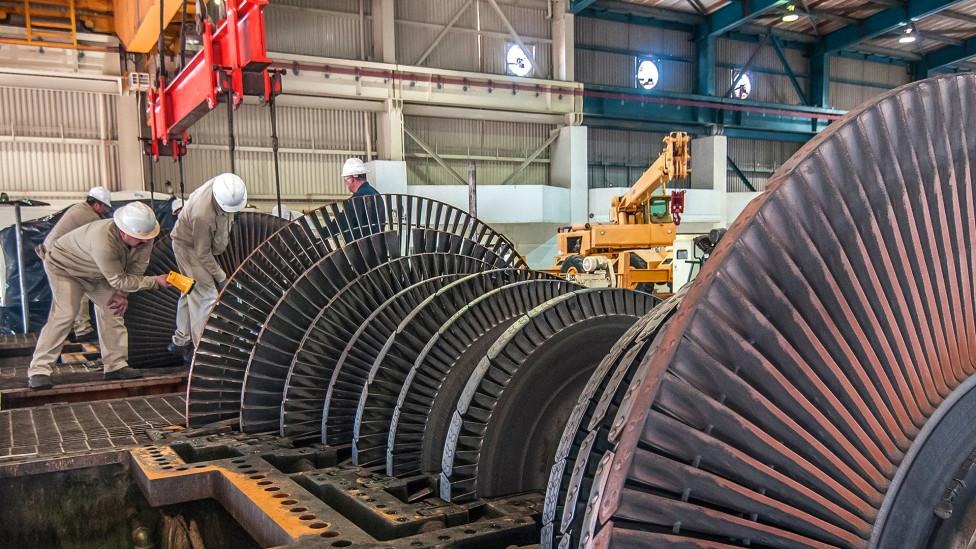
Important Elements Examined
- Stators and buckets
- Fuel nozzles, transition pieces, and combustion liners
- Shrouds and inner casing
- The rotor and bearings (typically with further examinations)
The Purpose
This is to inspect the components that were subjected to high temperatures due to the hot gases released during combustion. The complete breadth of the CI is included in the HGPI. Along with a thorough examination of the buckets, stator shrouds, and nozzles.
The top part of the shell must be removed to conduct this check. The extraction of the second to third stage nozzle assemblies is discretionary.
It will depend on the outcomes of visual observations, clearance measurements, and other necessary inspections. But all transition pieces, as well as first-stage nozzles, must be removed.
In most cases, the buckets can be examined in situ. When buckets are used in high temperatures, coatings are essential for their protection.
Procedures for Scheduled Maintenance and Inspections
Adherence to organized maintenance schedules and thorough inspection protocols is necessary to operate efficiently. So, to reduce wear and tear and improve turbine performance. It is essential to implement disciplined maintenance procedures and follow recommended maintenance intervals.
To maintain ideal airflow and avoid obstruction problems. Routine care tasks like inspecting and changing filters are essential.
Combustion inspections must be scheduled after a particular number of FFS. This is to identify early indicators of component deterioration, especially in fuel nozzles and liners.
To assess the state of blades and shrouds for possible high-temperature damage. HGPI is also carried out based on Factored Fired Hours – check this out to learn more.
During these checks, using instruments like thermography and borescopes helps detect possible problems early on. Thus, extending the turbine’s operational life.
Conclusion
Depending on the kind and configuration, an HGPI may vary depending on operating hours or conditions. As per the predetermined scope, engineers will disassemble, clean, check, and replace items.
Engineers will prioritize the remaining components, as even minor problems could cause major harm. Therefore, the inspection won’t be restricted to the hot gas channel. If a damaged component is discovered, MFS can provide replacements or repair it.
To rule out any potential problems during start-up. And ensure that your equipment will continue to provide the anticipated power and performance. Engineers will also survey the equipment package. Including the auxiliaries, enclosure, and all related equipment.